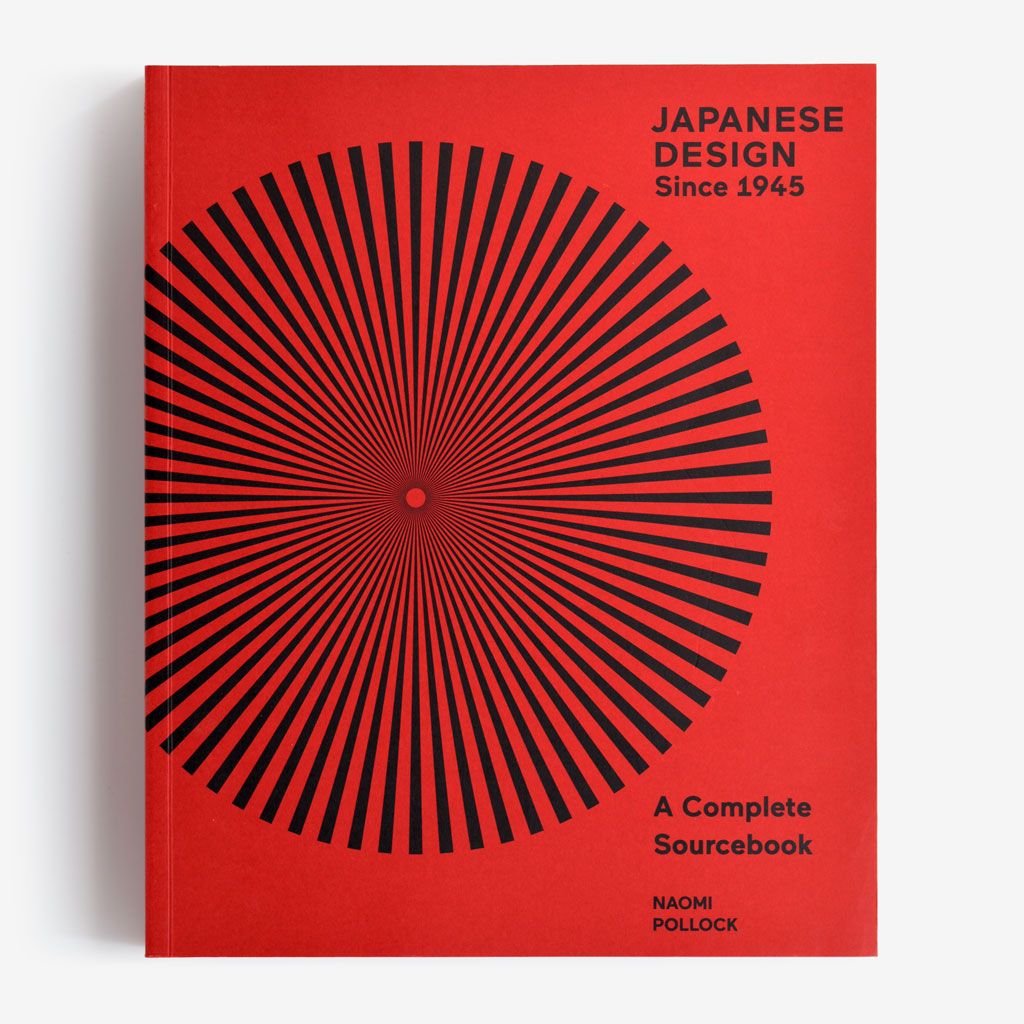
Pollock Naomi
Harry N. Abrams · 2020
Japanese Design since 1945
A Complete Sourcebook
2020
Harry N. Abrams
9781419750540
448
Design in Japan is deeply rooted in the country’s historic craft culture, profound understanding of materials and commitment to functionality. These qualities yield chairs, cups and other daily use items which are easy on the eye, comfortable in the hand and always do their job well. Even as mass manufacturing became widespread in the post-war period and cross-cultural exchanges began to take place with the West, Japan held fast to these core values and practices. This dedication has given rise to timeless objects of great beauty and utility as well as innovations in materials, form and technology. Far beyond design icons such as the Kikkoman Soy Sauce Bottle, Sori Yanagi’s Butterfly Stool, and the Sony Walkman® the products and objects created in Japan over the past seven decades serve to delight and draw admiration.
Author Naomi Pollock writes, “It doesn’t really matter what the medium is, whether plastic or metal, manufacturers treat the material with the same kind of reverence . . . the attention to detail and, above all, respect for the hand of the artisan, whether a traditional craftsperson or a factory worker. Even the mass-produced or computer-generated can be created with the pride and care of the handmade.”
In recent years, a new generation of designers, including Naoto Fukasawa, nendo, and Tokujin Yoshioka, have taken Japanese creativity into exciting new territory: some are eliminating objects entirely, others are reimagining what an object could be. Though Japan has developed some of the world’s most sophisticated robotic manufacturing complexes, many of its most appealing products are made by small factories and workshops whose artisans use their hands as much as machines.
This impressive volume is the most complete overview of Japanese design to date and its exquisite presentation is itself a beautiful example of Japanese design. Including profiles of over 70 creators, the book is based on the author’s interviews with designers, their colleagues and family members, as well as leading curators and critics. The profiles are accompanied by short takes on iconic products and essays on related topics by Japanese and Western design experts. Featuring hundreds of objects, this volume will become the definitive work on the subject for many years to come.
Foreword
Kanai Masaaki
Introduction
Kenya Hara
Yusaku Kamekura
Isamu Kenmochi
Toshiyuki Kita
Shiro Kuramata
Issey Miyake
Taku Satoh
Ikko Tanaka
Sori Yanagi
Tokujin Yoshioka
Keiji Ashizawa
DRILL DESIGN
Hisae Igarashi
Motomi Kawakami
Everyday Icons - The Butterfly Stool
Mikiya Kobayashi
Takeshi Nii
Everyday Icons - The Teiza Chair
Katsuhei Toyoguchi
Shigeru Uchida
Riki Watanabe
Kimura Glass
The Polka-Dotted Teapot
Makoto Komatsu
Masahiro Mori
Shinichiro Ogata | Simplicity
Everyday Icons - The HS Stackable Tumbler
Essay – Scandinavian Design and the Rebirth of Japanese Design
Shimazaki Makoto
Yoshio Akioka | КАК
Everyday Icons – Akari Light Sculpture
Ichiro Iwasaki | Iwasaki Design Studio
Matsushita Electric Industrial Co., Ltd. | Panasonic Corporation
Everyday Icons – The Shinkansen Bullet Train
Fumie Shibata | Design Studio S
Sony
Everyday Icons – Aibo
Gen Terao | Balmuda
Yamaha Corporation
Everyday Icons – The Mitsukoshi Shopping Bag
Shigeo Fukuda
Takenobu Igarashi
Everyday Icons – The Kikkoman Soy Sauce Bottle
Kenji Itoh
Everyday Icons – Tokyo Metro Manner Posters
Shin Matsunaga
Masayoshi Nakajo
Hiroshi Ohchi
Kashiwa Sato
Everyday Icons – The Onigiri Wrapper
Asao Tokolo
Tadanori Yokoo
Akira Minagawa | minä perhonen
Makiko Minagawa
Osamu Mita
Everyday Icons – PLEATS PLEASE ISSEY MIYAKE
Masaru Suzuki
Essay – 13 Meters of Cloth
McQuaid Matilda
Tomoko Azumi
Everyday Icons – Airvase
Shigeki Fujishiro
Koji lyama
Kazuo Kawasaki
Ryoichi Kobayashi | Studio GALA
Makoto Koizumi
Everyday Icons – Washlet
Masayuki Kurokawa
Nobuho Miya | Kamasada
Chiaki Murata | Metaphys
A-Z of Designers
Further Reading
About the Authors
Acknowledgments
Index